Rust solo survival or big-team snowballing and why the solo sentinel playstyle wins on story
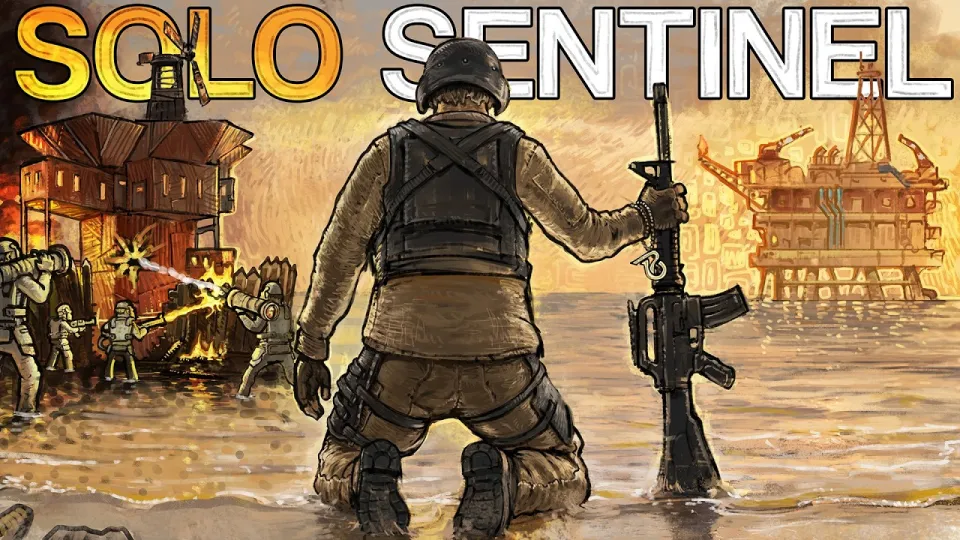
Video: The Solo Sentinel - Rust
Want articles like this for your own video to promote it on YouTube and Google? Order them through the Telegram bot @sat_sit_bot. It writes articles around your video, embeds the video and publishes them on popular niche websites (no ads). Your first 50 articles are free.
· based on the channel Blooprint
Rust solo survival beats big-team snowballing for viewers and for learning the game, because a solo player who builds next to Oil Rig has to earn every crate, every turret and every defense decision alone. In Blooprint's wipe story The Solo Sentinel, one player settles right beside the monument, holds the ground against groups and turns a hostile location into a base. The same run is streamed live on Blooprint's Twitch channel, where the full session and the chat reaction to each raid are available.
Why a solo base next to Oil Rig is the harder but better Rust run
Oil Rig is the most contested monument in the game, and that is exactly why it makes a good solo home. The monument spawns military and elite crates, heavy scientists and a locked crate that requires a keycard chain, so a single successful run can hand a solo player tier two weapons, armor and components that would otherwise take hours of farming. Building on the shoreline facing the rig means the player can swim out, loot, and be back behind turrets before a counter-raid forms.
The trade-off is pressure. Groups on a fresh wipe treat Oil Rig as their personal loot zone, and a base within sight of it is treated as an insult. A solo who settles there accepts that every online hour is a defense hour. What the run gains is narrative: a viewer can follow one player's decisions from a wooden shack to a turret-covered compound, and every loss is a real setback rather than a minor inconvenience.
What a solo actually needs to hold ground against groups
A solo base survives on automation and information, not on numbers. The core checklist used in this kind of run looks like this:
- A compact footprint, usually two to three foundations, so the base is cheap to upgrade to stone and metal early.
- At least two auto turrets covering the approach from the water and the land side, fed with enough ammo to survive a sustained push.
- Shotgun traps behind every doorway and in the loot corridor, because groups push through doors faster than a solo can react.
- Sealed loot rooms with no direct line from the entrance, so a partial breach does not expose the whole stash.
- A secondary stash or hidden bunker for components, so one successful raid does not end the wipe.
The base layout matters more than the gear tier. A solo with two well-placed turrets and a metal core can outlast a group that expects an easy wooden door, and the attackers usually arrive with rockets and C4 prepared for a much softer target.
How solo progression to tier two and tier three really works
Solo progression is a routing problem, not a combat problem. The fastest path in a wipe like this one runs through the ocean: Oil Rig for military crates, cargo ship when it spawns, and underwater labs for components, with recycling done at the safe zone rather than at the base. Scrap goes into a workbench and a research table before it goes into weapons, and blueprints for the tier two gun of choice are usually researched before any serious PvP attempt.
The result is that a solo can be fully geared within the first day of a wipe while a group is still arguing about who gets the loot. That speed is also the risk: a solo carrying tier two gear back from the rig is the most attractive target on the server, and the swim home is where most runs end.
What viewers get from solo Rust that team content cannot show
Solo videos work because the player narrates every decision to the audience instead of to teammates. There is no comms channel to hide the reasoning, so viewers hear why a door is sealed, why a turret is placed on a specific corner, and why a fight is skipped rather than taken. That play-by-play is the part that teaches new players how the game actually works.
The emotional arc is also different. A group wipe is a shared joke; a solo wipe is a personal loss, and a solo defense that holds against three attackers with rockets lands harder than any team fight. Long-time viewers of the channel consistently ask for more solo material for exactly this reason, and the run next to Oil Rig is the clearest example of the format at full strength.
Common questions and doubts about solo Rust runs
New players often assume a solo cannot compete near high-tier monuments, and that assumption is the first thing to drop. Turrets, traps and a small footprint cost far less than a clan base, and a solo only needs to survive the first push to make the location profitable.
The second common doubt is time. A solo run does not require a full-time schedule; it requires a plan for the first two hours after a wipe, when the rig is contested but the loot is still there. The third is gear fear: losing a tier two kit to a counter-raid is normal, and the correct response is to rebuild the turret ammo before rebuilding the gun.
Where to follow Blooprint and the rest of the community
All official channels for the creator behind this wipe are listed below, and each one covers a different part of the run.
- Twitch live streams: https://www.twitch.tv/blooprint
- Kick channel: https://kick.com/blooprint
- TikTok clips: https://www.tiktok.com/@blooprintgames
- Twitter updates: https://twitter.com/blooprintgames
- Discord community: https://discord.gg/blooprint
Final verdict on solo survival versus team snowballing
Solo survival next to Oil Rig is the better Rust watch and the better Rust classroom, because it forces every decision to be visible and every mistake to be paid for. The Solo Sentinel is Blooprint's breakdown of that idea in practice: one player, one contested monument, turrets on the roof and groups arriving with rockets. For anyone who wants to see the full unedited session, the live channel is the place to start, and Blooprint's Twitch stream is where the next wipe begins.
Key takeaways
- Blooprint's The Solo Sentinel follows one solo player who builds directly next to Oil Rig on a fresh wipe and defends the base against groups.
- Oil Rig is a high-tier monument: it pays out military crates, red and elite crates, and draws geared groups within the first hours of a wipe.
- Solo base defense depends on turrets, sealed loot rooms, shotgun traps and a compact footprint rather than on raw player numbers.
- A solo can reach tier two and tier three gear quickly by farming Oil Rig and cargo events instead of grinding low-tier monuments.
- Blooprint streams live on Twitch at twitch.tv/blooprint and posts the edited wipe stories on his main YouTube channel.
Source: The Solo Sentinel - Rust · Markdown version
Questions & answers
Can a solo player really hold a base next to Oil Rig in Rust?
Yes, but only with automation. Two or more auto turrets with a steady ammo supply, shotgun traps behind doors and a metal core turn a small base into a costly target. The solo does not need to win fights, only to make each push expensive enough that groups give up.
How fast can a solo reach tier two gear on a fresh wipe?
A solo who routes Oil Rig, cargo ship and underwater labs can have tier two weapons and armor within the first day. The bottleneck is not combat but recycling and blueprint research, so scrap should go into a workbench and research table before it goes into guns.
Why do viewers prefer solo Rust videos over group content?
Solo videos keep the player talking to the audience instead of to teammates, so the reasoning behind each decision stays visible. That makes the video more useful for learning the game and gives it a clearer story, since every loss and every defense belongs to one person.
What should a solo do after losing a base to a raid?
Rebuild the defenses before the gear. Turret ammo, traps and a sealed loot room protect whatever comes next, while a new gun without a base is just another item waiting to be taken. Keeping a hidden stash of components also shortens the recovery time significantly.